Better water quality monitoring using traditional and local knowledge of indigenous peoples, women, and other vulnerable populations
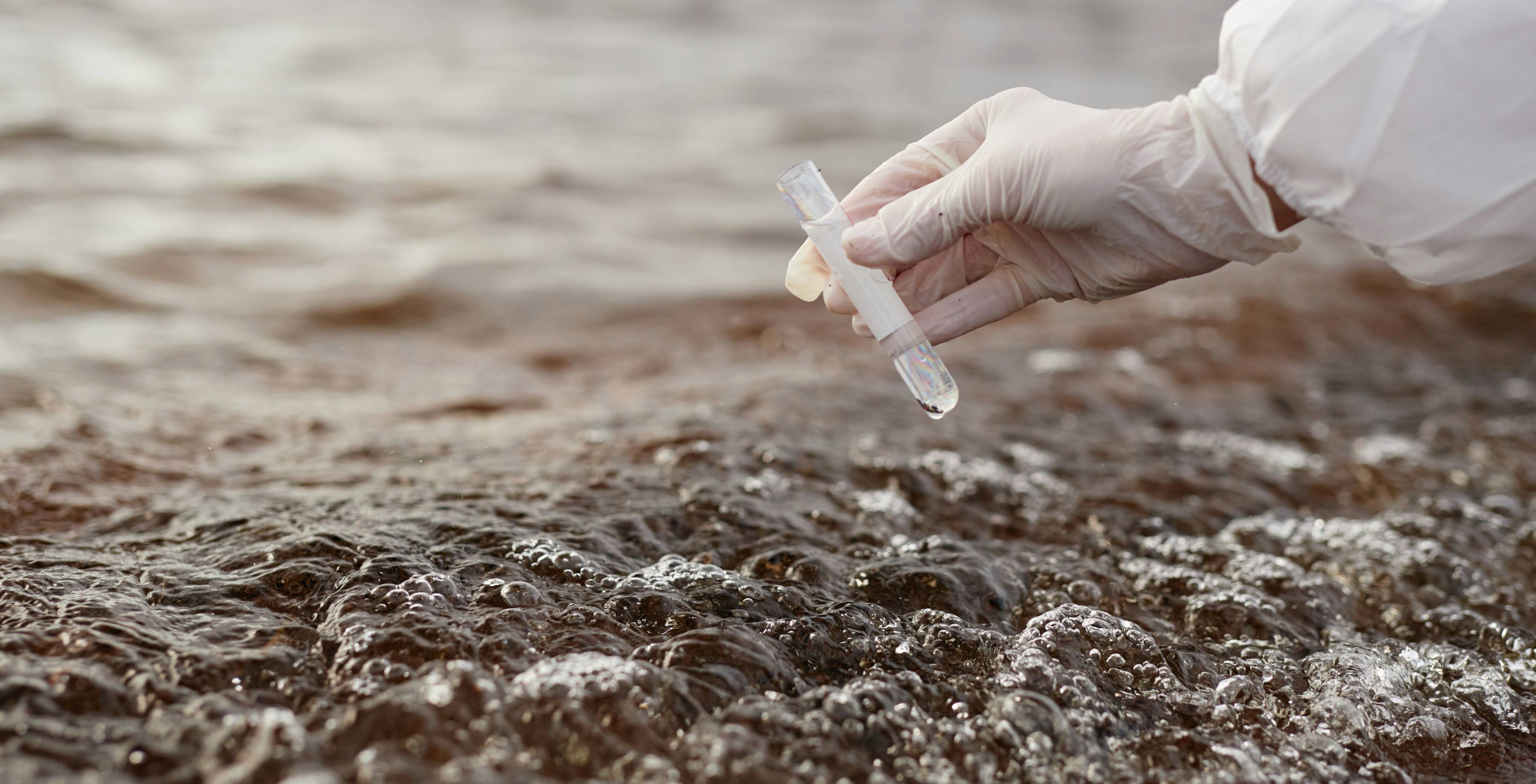
The objective of the project is to strengthen the capacity of three countries in Africa to monitor and take action to improve water quality in inland waters and oceans using traditional and local knowledge of indigenous peoples, women and other vulnerable populations to improve reporting, and inform policymaking, and accelerate the adoption of solutions.
This project aims to enhance inland and ocean water quality in three African countries by bridging traditional and local knowledge systems with modern approaches to water monitoring, management, and wastewater treatment. It places indigenous peoples, traditional coastal communities, and land users at the centre of efforts to restore water ecosystems and ensure sustainable water management. Through its participatory approach, the project will facilitate capacity building, knowledge exchange, and the development of co-designed monitoring systems that integrate both scientific and traditional indicators of water health. This dual approach will promote more inclusive, culturally grounded water governance while building community resilience to pollution, climate variability, and freshwater degradation.
By integrating traditional knowledge with innovative digital solutions, the project will not only address immediate water quality concerns but also strengthen the long-term capacity of decentralized water and wastewater management. It will contribute to achieving national and regional commitments related to SDG 6, SDG 14, climate adaptation, and the sustainable use of natural resources, while preserving cultural heritage and empowering communities.