Home

Main navigation

  • Home
  • Projects
  • Monitoring Progress
  • Resources

  • Overview
  • Outcome 1
  • Outcome 2
Better water quality monitoring using traditional and local knowledge of indigenous peoples, women, and other vulnerable populations

The objective of the project is to strengthen the capacity of three countries in Africa to monitor and take action to improve water quality in inland waters and oceans using traditional and local knowledge of indigenous peoples, women and other vulnerable populations to improve reporting, and inform policymaking, and accelerate the adoption of solutions.

This project aims to enhance inland and ocean water quality in three African countries by bridging traditional and local knowledge systems with modern approaches to water monitoring, management, and wastewater treatment. It places indigenous peoples, traditional coastal communities, and land users at the centre of efforts to restore water ecosystems and ensure sustainable water management. Through its participatory approach, the project will facilitate capacity building, knowledge exchange, and the development of co-designed monitoring systems that integrate both scientific and traditional indicators of water health. This dual approach will promote more inclusive, culturally grounded water governance while building community resilience to pollution, climate variability, and freshwater degradation.

By integrating traditional knowledge with innovative digital solutions, the project will not only address immediate water quality concerns but also strengthen the long-term capacity of decentralized water and wastewater management. It will contribute to achieving national and regional commitments related to SDG 6, SDG 14, climate adaptation, and the sustainable use of natural resources, while preserving cultural heritage and empowering communities.
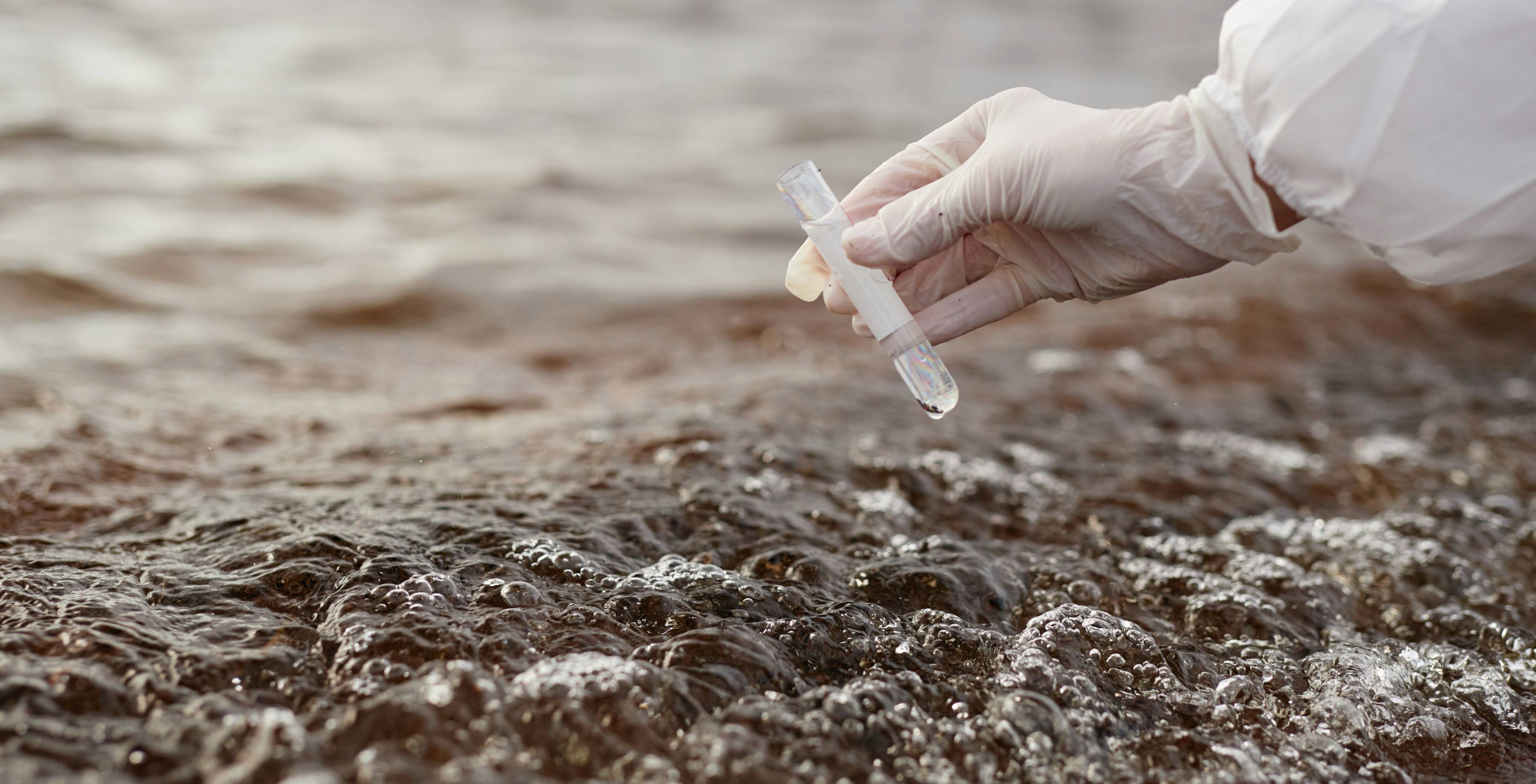
Strengthened capacity of three target countries in Africa to collect citizen science data for monitoring and solutions to improve water quality.  


Outputs
  1. Three national workshops in target countries organized to establish communication channels between local communities and governmental authorities to strengthen national capacity to collect citizen science data for monitoring and engage key stakeholders to foster solutions to increase water quality in inland waters and oceans.
  2. Designing three monitoring programmes in collaboration with local communities and governmental authorities to organize citizen science data collection for monitoring water quality in inland waters and oceans in three target countries.
  3. Develop a step-by-step guideline to assist the three target countries in calculating the Index of Coastal Eutrophication Potential at the national level.
  4. Developing and piloting of a Minimum Viable Product (MVP) for the digital Wastewater Solution Platform in one of the three target countries, including the recovery of energy, nutrients, and water, with focus on the country’s context and priorities.
  5. Five citizen science data collection campaigns organized in target countries, involving indigenous peoples, women and other vulnerable populations.


Activities and results:
 

-To be added-


Strengthened capacity of three target countries in Africa to use non-traditional data sources for reporting, informing policies and to promote actions to improve water quality.  


Outputs
  1. Three national workshops in target countries organized with the participation of traditional coastal communities, indigenous peoples, women and other vulnerable groups, as well as government authorities to measure capacity gains and build confidence in the use of non-traditional data sources for reporting and informing policymakers.
  2. A national roadmap developed for each target country, mainstreaming the use of citizen science data for water quality monitoring in inland waters and oceans.
  3. A national roadmap developed for each target country, mainstreaming the use of citizen science data for water quality monitoring in inland waters and oceans.
  4. At least one bankable project concept for scaling up wastewater solutions to improve water quality from source to sea is developed in close coordination with national authorities and other key stakeholders, including CSOs (i.e., indigenous peoples, women, and other vulnerable groups).
  5. Two e-learning courses developed to enhance and maintain the knowledge of national experts in water quality monitoring and management in three target countries.
  6. The results presented at national, regional, and global water-related expert events to raise awareness of water quality monitoring using traditional and local knowledge of indigenous peoples, women, and other vulnerable populations.


Activities and results:
 

-To be added-

Browse by SDG

...
...
...
...
...
...
© 2026 UNEP | Terms of Use | Privacy | Report Project Concern | Report Scam | Contact Us