


In September 2015, the United Nations Sustainable Development Summit adopted an international framework to guide development efforts, entitled ‘Transforming our world: the 2030 Agenda for Sustainable Development’. The SDG framework has a total of 17 goals, 169 targets and 247 indicators — 92 of which are environment related. The SDG monitoring aims to measure status and progress on the most pressing issues facing the planet, while recognizing that the goals and targets are strongly connected to each other. The environmental dimension of the SDGs covers natural resource management, climate change, water-related issues, marine issues, biodiversity and ecosystems, circular economy, environmentally sound management of chemicals and waste, and many other topics. UNEP is the Custodian for 25 of these SDG indicators across SDG Goals 6, 8, 12, 14, 15 and 17, with the specific mandate to develop the indicator methodologies, put in place SDG data reporting mechanisms, and strengthen national capacity on environmental statistics and data.
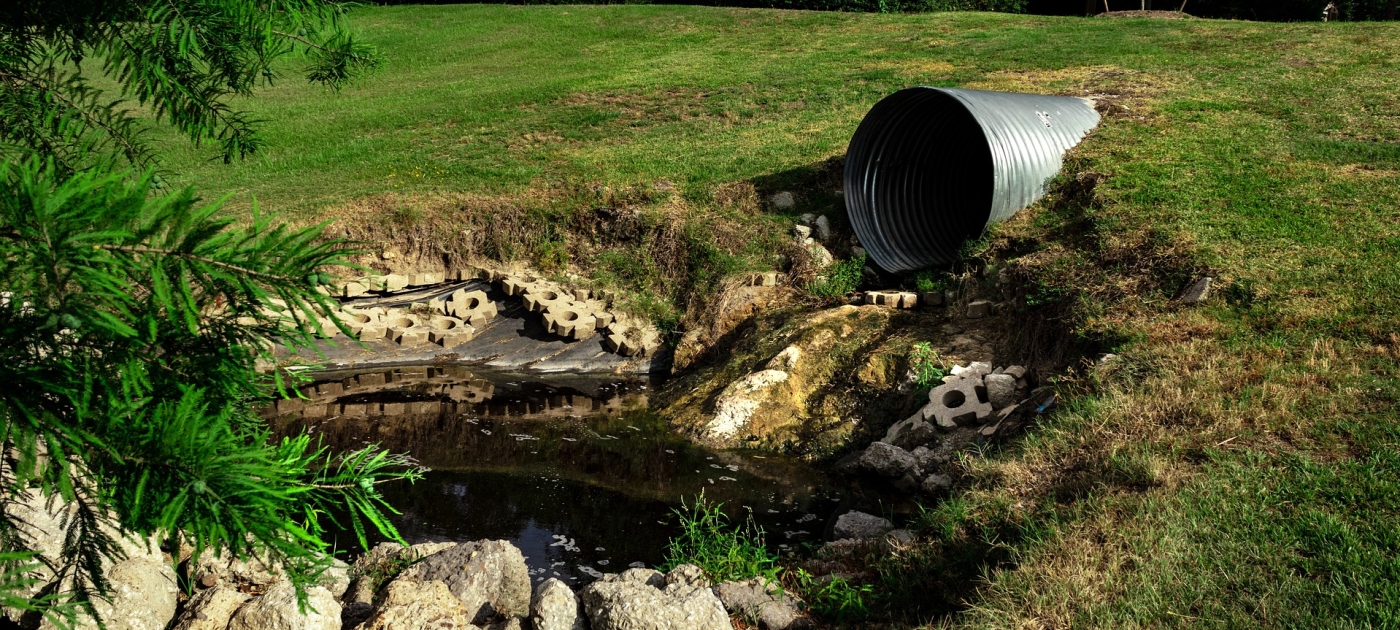
This project contributes to one indicator of each of the subprogrammes Science and Policy, Climate Action, Nature Action and Chemicals and Pollution Action.
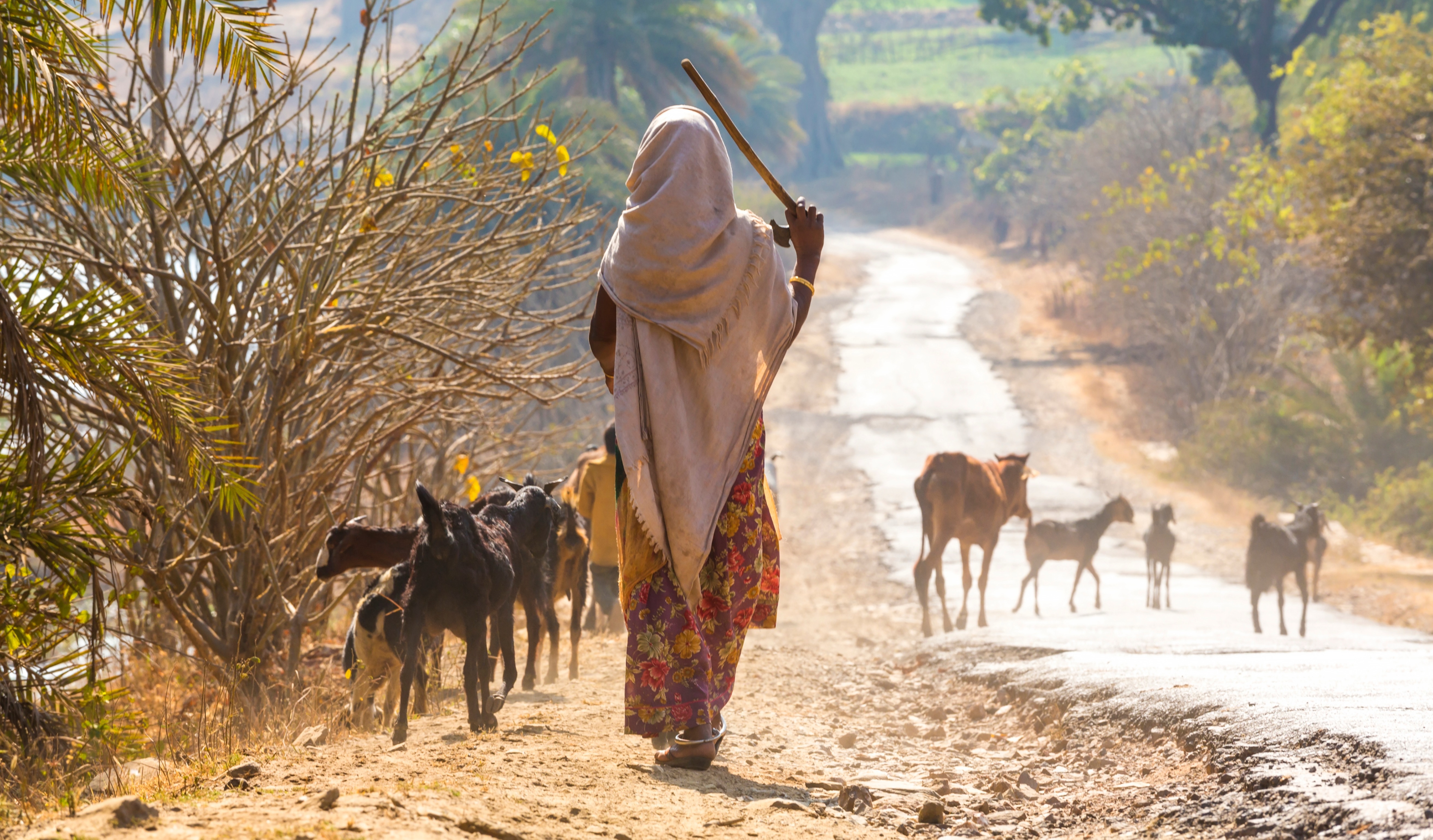
This project aims to strengthen the capacity of countries to produce climate change and disaster-related statistics, taking into consideration a gender perspective, and enhance analytical capacities for better adaptation and mitigation policies.
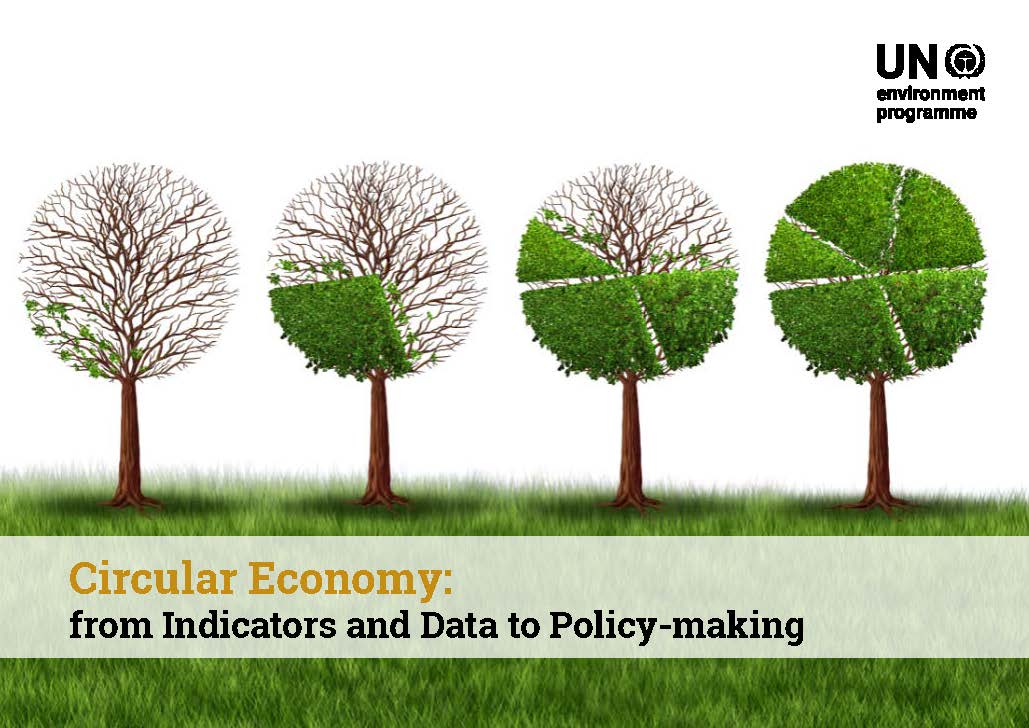
UNEP, with funding from the European Commission, is implementing a project to enhance countries' capacities for measuring progress on the transition towards a circular economy.
UNEP, in collaboration with various partners, organizes National Capacity building activities and Expert Group Meetings to strengthen national, regional and international capacities.
The SDG and Environment Statistics Unit spearheads the UN-wide monitoring and reporting on the environmental dimension of the 2030 Agenda and the SDGs.
UNEP's Measuring Progress Series analyzes progress of the environmental dimension of the SDGs, identifies data gaps and highlights interlinkages.